
THE WINDOW AND THE CURIOUS CASE OF SUNLIGHT THAT COULDN’T FIND ITS WAY INSIDE
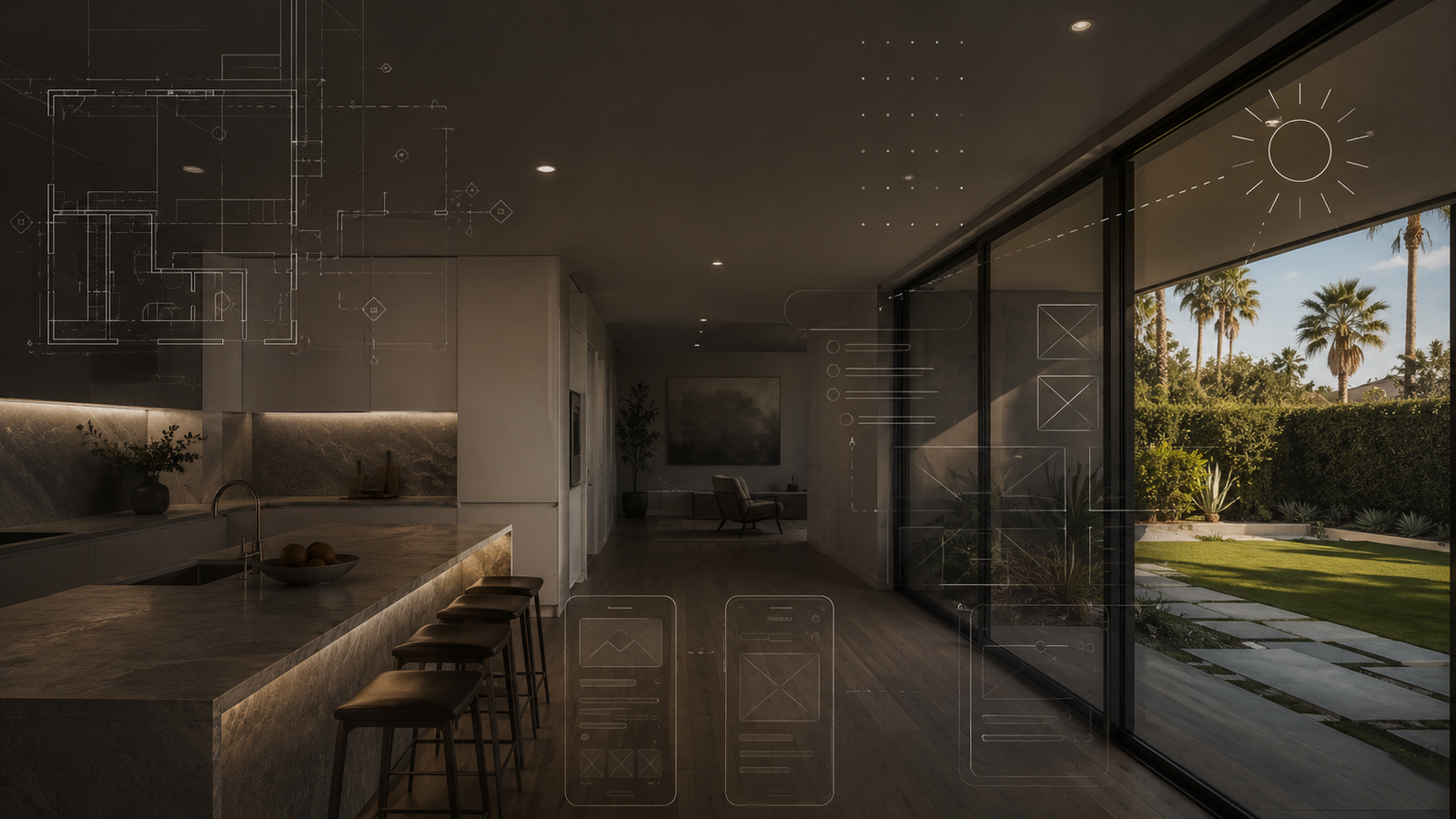
Once, I was invited to visit a newly built house. It was beautiful. The kind of beautiful where, the moment you stepped inside, you could tell the owner had spent quite a bit of money on it, along with quite a few debates with his wife over paint colors.The floors were polished and spotless. The kitchen cabinets were perfectly white. The countertops looked so pristine that I almost felt guilty setting down my coffee cup, afraid I might leave a mark. Recessed lights were glowing everywhere, so brightly that for a moment I assumed it must be raining outside.But no.It was another beautiful, sunny California day. Sunshine was everywhere in the yard.
The only problem was that somehow, it couldn’t figure out how to get into the house.I stood in the living room for a moment and asked the homeowner, “Do you normally have to turn the lights on during the day?”He looked around and laughed. “Yep. If I turn them off, it gets dark.”I laughed too, but inside I felt a little disappointed.Not because of a few dollars on the electricity bill.I felt sorry for all that sunlight standing outside, completely free, no permit required, no contractor needed, and yet the house had somehow forgotten to invite it in.
It reminded me of something one of my professors used to say when I was studying architecture:“During the day, you shouldn’t need to turn on the lights. At night, you shouldn’t need to turn on a fan.”Back then, I would nod thoughtfully as if I understood every word. In reality, I was mostly hoping he would finish talking soon so I could go get lunch.It took me years to understand what he really meant.He wasn’t talking about saving electricity. He was talking about designing a house that knows how to live with nature.
A window is not simply a hole cut into a wall with a piece of glass installed in it. It needs to be placed where daylight can actually enter the space. Doors and windows also need to understand their relationship with one another, so that air has a way in and, just as importantly, a way out.If the breeze has a way in but nowhere to go, I imagine it will stand there in the room for a while, look around at us, and eventually think, “Well... never mind.”What I find interesting is that years later, when I started working in UX and UI design, I realized that windows and sunlight are not all that different from websites.I once visited a company’s website because I simply wanted to find their phone number.I thought it would take ten seconds.Instead, I went through Home, then About, then Contact, only to arrive at a form asking for my name, email address, company, job title, and several other pieces of information.I just wanted to call someone and ask a simple question.By the time I finished, it felt more like I was applying for a mortgage.
That was when I realized something.Sometimes designers become so excited about what they are creating that they forget the person using it may simply be trying to accomplish one very ordinary task.Architecture and UX may seem completely unrelated.One has walls, windows, and roofs. The other has buttons, menus, and screens.One opens AutoCAD. The other opens Figma.But after working in both fields for many years, I have come to believe they share something fundamental:We are not really designing for drawings or screens.We are designing for the human being who will live inside the experience.A beautiful house that needs every light turned on in the middle of the day feels like a missed opportunity.A beautiful website where visitors have no idea what to click feels much the same.Good design is often not particularly dramatic.You walk into a room in the morning and there is enough natural light.You open a window and feel a breeze move gently through the space.You sit down and everything feels comfortably within reach.You visit a website looking for something, and somehow, naturally, it is right there where you expected it to be.
Users don’t need to know why everything feels so effortless.And frankly, they shouldn’t have to.The longer I work in design, the more I appreciate designs that don’t try too hard to show off.They don’t stand in the middle of the room saying, “Look at me. Aren’t I beautiful?”They simply do their job, quietly and well.Perhaps good design is a little like a thoughtful host.When you arrive, they open the door, show you where to sit, bring you a glass of water, and then make you feel completely at ease.But if the first thing you have to ask after walking in is:“Excuse me... where’s the light switch?”Then perhaps we still have a little more to talk about when it comes to design.
---
*UX (User Experience): User Experience describes how a person feels when interacting with a product, system, or service. It includes factors such as ease of use, efficiency, usefulness, accessibility, and overall satisfaction. Good UX makes interactions feel simple, intuitive, and pleasant rather than confusing or frustrating.
*UI (User Interface): User Interface design focuses on the visual appearance and interactive elements of digital products such as websites and mobile applications. It includes everything users see and interact with on the screen, with an emphasis on clarity, usability, consistency, and visual appeal.